
If a meal appears to have been collected incorrectly, its whereabouts are unclear or a handover is disputed, start by explaining which stage the order has reached. This page provides a working record of the sequence and unresolved questions for the normal reporting channel you already use. It does not decide responsibility for the platform, restaurant or customer, or promise a refund, compensation or account outcome.
Once safely parked, record this order’s time, currently displayed status, whether you have actually collected the meal and who currently holds it. Keep only the order code, restaurant details, packaging labels and customer information needed to handle the case, and give them to the appropriate contact for checking. Do not post complete personal details, addresses or conversations on social media.
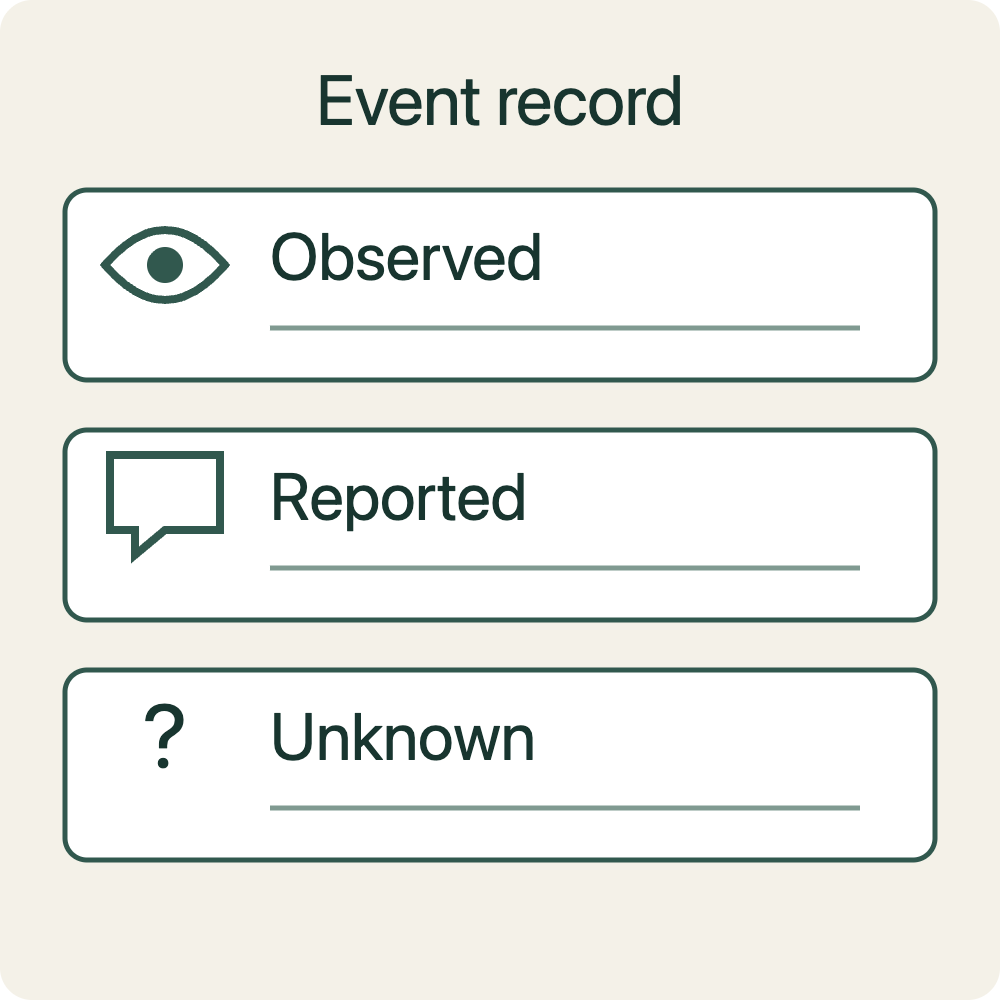
Use three columns: facts you directly observed, the other person’s actual words and points still unconfirmed. For example, a bag label differing from this order’s details is an observed discrepancy. If the restaurant says another courier already collected the meal, record that as the restaurant’s account; who actually collected it still needs checking. Do not turn a report into something you witnessed yourself.
Not yet collected, collected but not delivered, and an issue reported after delivery are three different starting points. Describe what you have and which information is missing according to the real situation. Do not backfill a delivery, cancellation or return time to make the record look complete. If the available information does not identify the meal, leave it unknown and ask the normal contact what to do for this order. Do not open packages, transfer their contents or guess which bag to deliver.
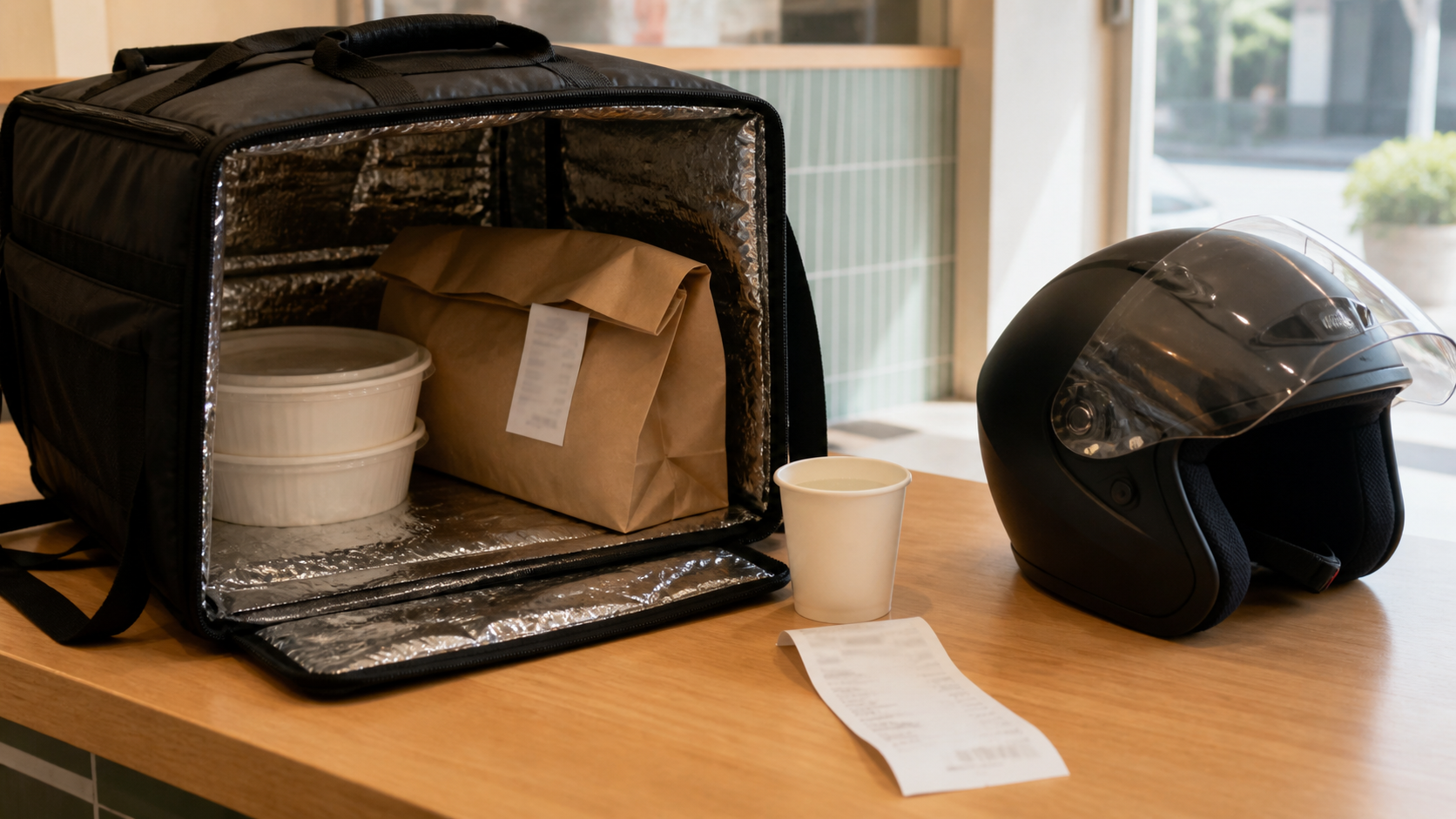
If the meal is still at the restaurant, ask staff to compare this order’s details with the actual packaging, noting what they confirmed and what they could not confirm. If you have left, distinguish the checks made before leaving from discrepancies noticed later. The record does not establish food quality or safety; intact-looking packaging is not certification that delivery can continue.
Keep contact attempts on a separate line: time, normal channel used, question sent, whether a reply arrived and its exact wording. Sending a message, seeing a read receipt or waiting does not mean handling instructions have been obtained. If the reply only says the matter will be checked, do not record agreement to cancel, redeliver or waive charges.
A fill-in question could be: ‘This order currently shows __. I have actually completed __. I found a mismatch between __ and __, and the meal is currently at __. I checked __, but still do not know __. Please confirm the next step for this order and what further information I should provide.’ This is a way to organize a question, not an example of a reply already given by support.
After receiving specific instructions, retain their source and reply time, then compare them with what you actually did and the final visible status. If an instruction conflicts with the situation or two successive replies disagree, present both discrepancies and ask again. Do not select one and mark the matter resolved. Record when later information was obtained rather than rewriting what was unknown at the time.
The result should be three consistent records: an event timeline, information discrepancies and gaps, and contacts with actual handling outcomes. Record only what you can substantiate; where no answer or outcome is available, keep ‘awaiting confirmation’. This working record cannot decide liability, amounts payable or whether an appeal will succeed. For checks and securing before loading, see the meal loading and securing guide; find other event-record topics under courier rights.